Mattress Outlet / Journal
Optimizing Farm Productivity: The Critical Role of Moisture Content of Cereal Grains
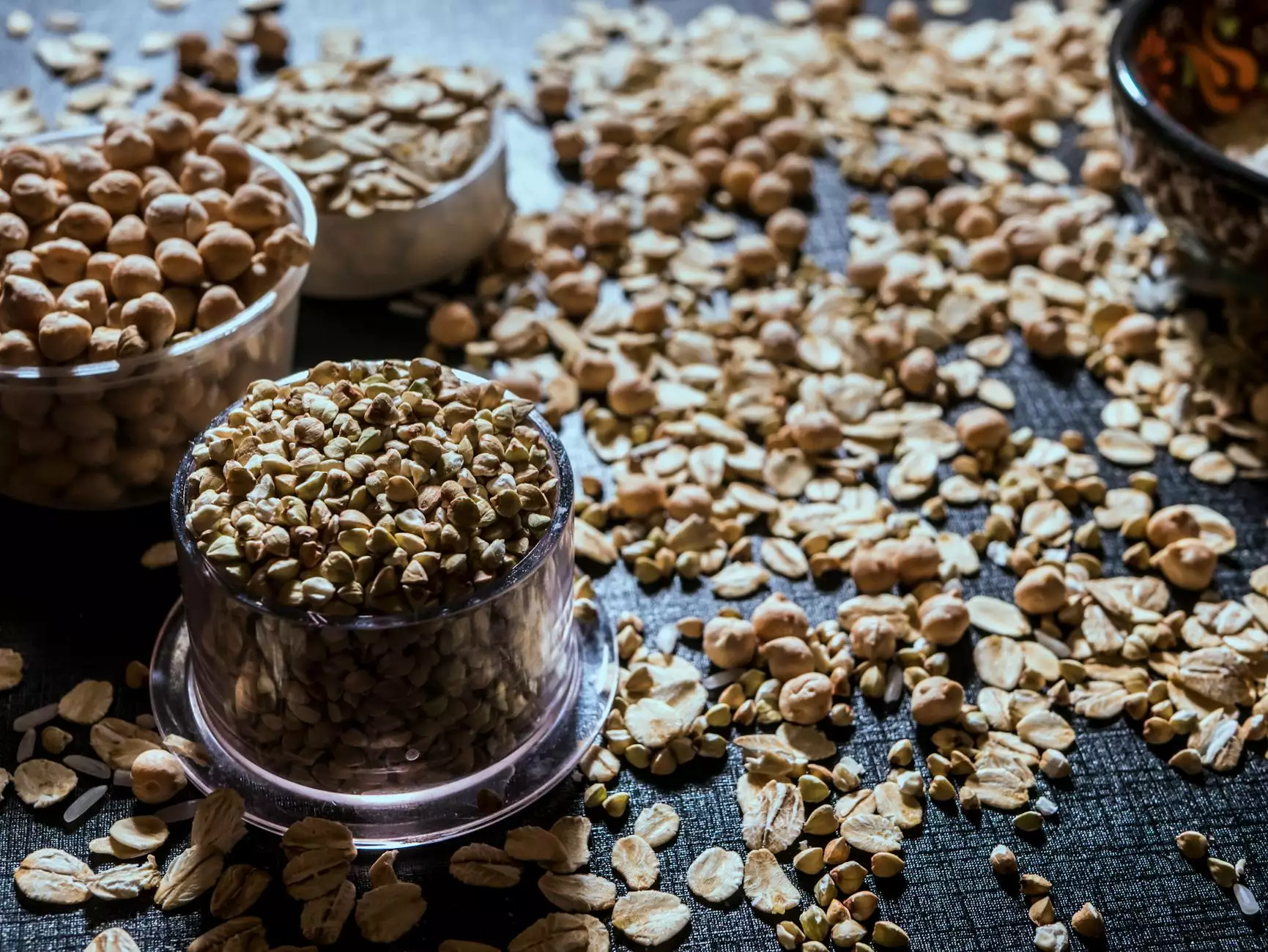
In modern agriculture, the moisture content of cereal grains is a fundamental parameter that directly influences crop quality, storage safety, and overall farm profitability. Farmers and agricultural professionals understand that proper management of grain moisture levels can make the difference between a thriving harvest and a costly loss. The intricate relationship between moisture content and the various aspects of cereal grain processing necessitates advanced equipment, meticulous monitoring, and expert maintenance, especially for those engaged in farming equipment repair and operations.
Understanding the Significance of Moisture Content in Cereals
Moisture content in cereal grains refers to the percentage of water present within the grain's composition. It is typically expressed as a percentage of the total weight of the grain. This indicator is vital because it impacts:
- Storability: Excess moisture can lead to microbial growth, mold, and spoilage.
- Quality Preservation: Proper moisture levels help in maintaining the nutritional value and structural integrity of grains.
- Processing Efficiency: Consistent moisture content ensures smoother milling and processing operations.
- Market Value: Grains with optimal moisture levels fetch better prices and reduce economic loss.
Managing moisture content of cereal grains is therefore crucial throughout the entire supply chain, from crop harvesting to storage, processing, and transportation.
Factors Influencing the Moisture Content of Cereal Grains
Several environmental and agricultural factors affect the moisture content of cereal grains at harvest:
- Climate and Weather Conditions: Humid climates tend to increase grain moisture, requiring prompt harvesting and drying.
- Harvest Timing: Harvesting too early or too late can result in suboptimal moisture levels.
- Crop Variety: Different cereal varieties have varying natural moisture content ranges.
- Field Management: Proper fertilization and crop rotation can influence grain maturation and water content.
- Post-Harvest Handling: Equipment and storage conditions significantly impact moisture levels after harvest.
Measuring and Monitoring Moisture Content in Cereals
Accurate measurement of the moisture content of cereal grains is essential for making informed decisions in grain handling and storage. Common methods include:
- Portable Moisture Meters: Handheld devices that provide rapid readings on the field or in storage.
- Oven Drying Method: Laboratory-based technique considered the standard, where grain samples are dried and weighed to determine moisture percentage.
- Infrared Moisture Analyzers: Advanced instruments capable of providing precise measurements quickly.
Investing in reliable moisture measurement tools is a strategic decision that enhances crop quality and maximizes profit margins.
The Role of Farm Equipment in Managing Grain Moisture
Efficient handling, drying, and storage of cereal grains require specialized farming equipment. Proper maintenance and timely repairs of this equipment are critical to uphold grain quality. Companies like TSGC Inc., specializing in Farm Equipment Repair and Farming Equipment, provide essential services that ensure machinery operates optimally.
Key Equipment for Managing Moisture Content
- Grain Dryers: These units reduce high moisture levels efficiently, preventing mold growth and spoilage during storage.
- Bucket Elevators and Conveyors: Facilitate gentle movement of cereals, reducing damage and maintaining grain integrity.
- Moisture Measurement Devices: Integrated sensors and meters that monitor moisture levels in real-time.
- Storage Silos with Aeration Systems: Allow for environmental control and moisture regulation during long-term storage.
Proper maintenance and repair of this equipment are pivotal. Regular inspections, calibration, and timely repairs prevent breakdowns that could compromise grain quality.
Best Practices for Controlling and Maintaining Optimal Moisture Levels
Achieving and maintaining ideal moisture content in cereal grains demands a combination of good agricultural practices and technical expertise:
Pre-Harvest Strategies
- Monitor crop maturity carefully to target optimal harvest windows.
- Adjust harvesting equipment to minimize grain damage.
- Use weather forecasts to plan harvest and drying schedules strategically.
Post-Harvest Management
- Utilize high-quality grain dryers for rapid moisture reduction, particularly in humid climates.
- Ensure thorough cleaning of drying equipment to prevent contamination.
- Implement precise moisture monitoring during drying operations to prevent over-drying or uneven drying.
- Operate storage facilities with aeration systems to control the internal environment and prevent moisture migration.
Maintenance and Repair of Farming Equipment
Regular maintenance of drying systems, conveyors, and measurement devices is paramount. This includes:
- Lubricating moving parts to reduce wear and tear.
- Replacing worn-out sensors or components promptly.
- Calibrating moisture meters regularly to ensure accuracy.
- Cleaning drying chambers and air filters to optimize airflow and drying efficiency.
The Economic Impact of Proper Moisture Management on Farming Operations
Proper management of the moisture content of cereal grains directly correlates with enhanced economic returns. By ensuring grains are harvested at the optimal moisture level, farmers minimize drying costs, reduce spoilage, and increase marketability. Additionally, high-quality grains command premium prices and reduce losses associated with mold, pests, and storage deterioration.
Conversely, neglecting proper moisture control can lead to significant financial losses, penalties for non-compliance with storage regulations, and reputational damage in the marketplace. Therefore, investing in reliable equipment repair services and adopting best practices for moisture management is an investment in the farm's long-term profitability.
Emerging Technologies and Innovations in Grain Moisture Control
As agriculture advances, new technologies emerge to further optimize the management of the moisture content of cereal grains. These innovations include:
- Automation and IoT Integration: Wireless sensors that instantaneously transmit moisture data to control systems, enabling precise adjustments.
- Smart Drying Systems: AI-driven dryers that adapt their settings based on real-time data to optimize energy use and drying quality.
- Environmental Control in Storage: Modern silos equipped with climate control features that monitor and regulate humidity and temperature.
Implementing these innovations can significantly improve grain quality, reduce operational costs, and streamline farm management practices.
Conclusion: The Path to More Profitable and Sustainable Farming Through Moisture Control
The management of moisture content of cereal grains is undeniably a central aspect of successful farming operations. It affects everything from harvest timing and processing efficiency to storage stability and market value. Farmers who prioritize precise monitoring, proper equipment utilization, and regular maintenance — supported by expert farm equipment repair services available through companies like TSGC Inc. — can greatly enhance crop quality and farm profitability.
Embracing technological advancements and best practices ensures resilient and sustainable farming systems capable of meeting the challenges of modern agriculture.