Mattress Outlet / Journal
Comprehensive Guide to Surgical Removal of Fibroids by Expert Obstetricians & Gynecologists
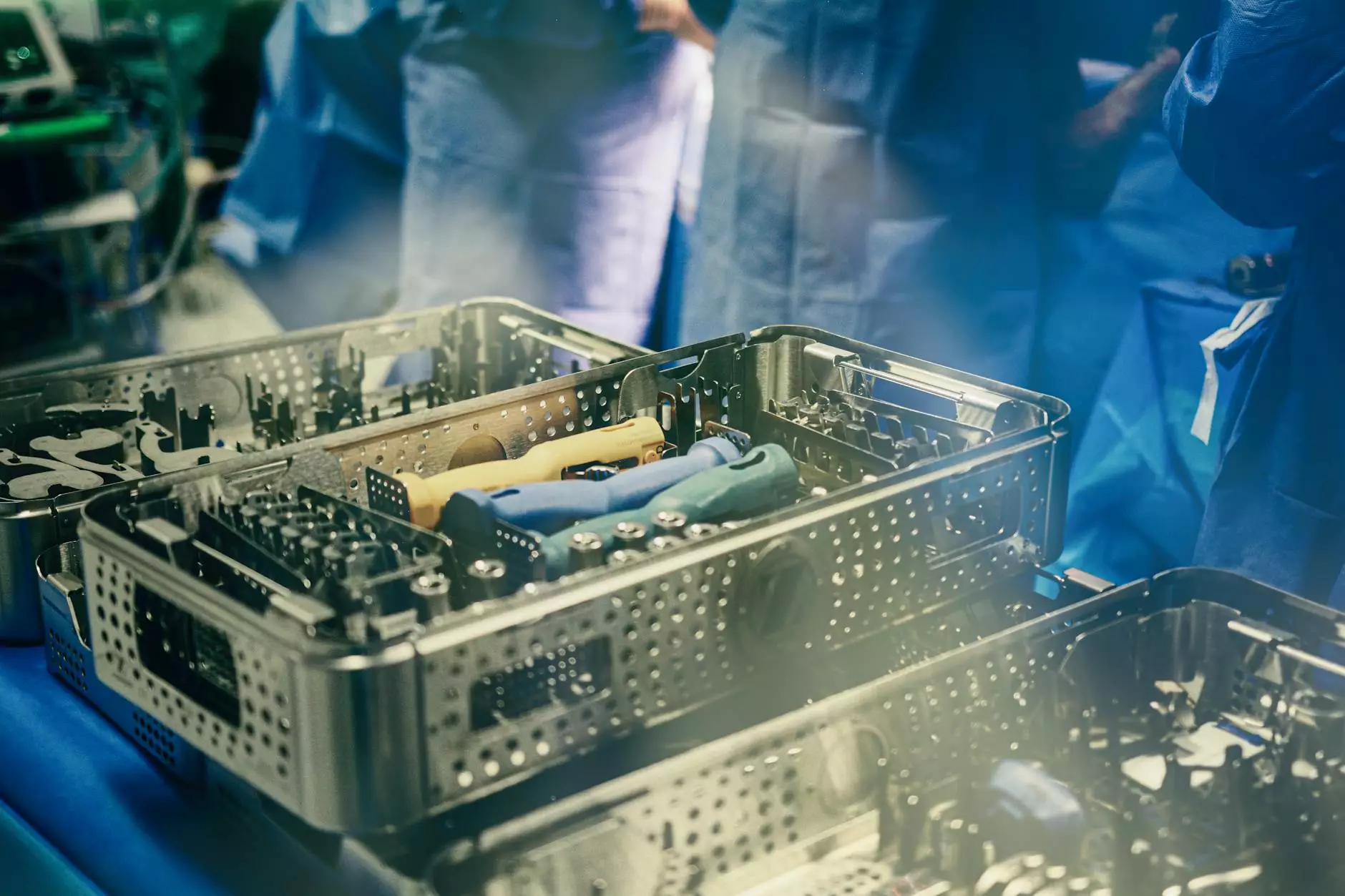
The presence of fibroids, also known as uterine leiomyomas, affects a significant percentage of women during their reproductive years. These benign tumors of the uterus can lead to a variety of symptoms, ranging from heavy menstrual bleeding to pelvic discomfort, and in some cases, may impair fertility. For women seeking relief, especially those with severe or persistent symptoms, surgical intervention often becomes necessary. Among the advanced treatment options, the surgical removal of fibroids stands out as a highly effective solution, particularly when less invasive methods are insufficient or unsuitable.
Understanding Fibroids: What Are Uterine Fibroids?
Uterine fibroids are non-cancerous growths that develop within the muscular wall of the uterus. They vary significantly in size — from tiny seed-like nodules to large masses that distort the shape of the uterus. Fibroids typically contain muscle and fibrous tissue, and although many women with fibroids are asymptomatic, others experience debilitating symptoms such as:
- Heavy Menstrual Bleeding
- Pelvic Pain or Pressure
- Enlarged Femoral Region
- Frequent Urination
- Backache
- Difficulty Conceiving or Maintaining Pregnancy
When Is Surgical Removal of Fibroids Recommended?
Surgical intervention is generally recommended when fibroids cause significant symptoms, interfere with daily life, or impact fertility. Specific indications for considering surgical removal of fibroids include:
- Large fibroids causing abdominal distension or pressure symptoms
- Persistent heavy menstrual bleeding unresponsive to medical treatments
- Fibroids causing pelvic pain or discomfort
- Multiple fibroids with rapid growth
- Obstructive fibroids affecting the urinary or bowel function
- Fibroids in women planning to conceive or who have experienced recurrent pregnancy loss
Types of Surgical Procedures for Fibroids
Obstetricians & gynecologists employ various surgical techniques based on fibroid size, location, number, and the patient's reproductive desires. The main surgical options include:
1. Myomectomy
This procedure involves the excision of fibroids while preserving the uterus. It is particularly favored among women wishing to retain fertility or avoid hysterectomy. Myomectomy can be performed via different approaches:
- Hysteroscopic Myomectomy: Performed through the vagina using a hysteroscope for submucosal fibroids protruding into the uterine cavity.
- Laparoscopic Myomectomy: Minimally invasive surgery suited for accessible fibroids within the outer uterine wall.
- Open Abdominal Myomectomy: An invasive approach used for large or multiple fibroids unsuitable for minimally invasive techniques.
Myomectomy is regarded as a definitive treatment for women who desire future pregnancies, offering the benefits of symptom relief while conserving the uterus.
2. Hysterectomy
In cases where fibroids are extensive, recurrent, or symptomatic with no desire for future fertility, hysterectomy (removal of the uterus) may be performed. This procedure ensures complete resolution of fibroid-related symptoms but is more invasive and irreversible.
3. Uterine Artery Embolization (UAE)
Although technically classified as minimally invasive rather than surgical, UAE involves blocking blood flow to fibroids, leading to their shrinkage. It’s an alternative for women seeking symptom relief without traditional surgery; however, suitability varies based on fibroid characteristics.
Advancements in Surgical Techniques for Surgical Removal of Fibroids
Modern obstetrics and gynecology prioritize minimally invasive approaches that reduce recovery time, minimize complications, and preserve reproductive health. Techniques such as laparoscopic and robotic-assisted myomectomy have revolutionized fibroid treatment, offering precision and enhanced patient outcomes.
Preoperative Planning and Considerations
Successful surgical outcomes depend heavily on thorough preoperative assessment, including:
- High-resolution ultrasound and MRI imaging to determine fibroid size, location, and number
- Evaluation of uterine anatomy and adjacent structures
- Assessment of patient's overall health and anesthetic risk
- Discussion of fertility aspirations and future pregnancy plans
- Management of patient expectations regarding recovery and outcomes
What to Expect During and After Surgery
Typically, surgical removal of fibroids involves anesthesia, a carefully planned surgical approach, and postoperative care. Patients can anticipate:
- Preoperative preparation including fasting and medication management
- Use of general anesthesia for most procedures
- Intraoperative monitoring and precision surgical techniques
- Postoperative recovery in a hospital or outpatient setting depending on the procedure
- Gradual return to normal activities, with specific instructions provided by health care providers
Proper aftercare includes pain management, avoiding strenuous activities, and scheduled follow-up appointments to monitor healing.
The Role of Experienced Obstetricians & Gynecologists in Treatment Success
Choosing a highly skilled and experienced obstetrician & gynecologist dedicated to women's health, like Dr. Seckin, ensures that each step—from diagnosis to postoperative care—is optimized for the best possible results. Their expertise significantly reduces complications, improves surgical outcomes, and enhances overall patient satisfaction.
Long-Term Outlook After Surgical Removal of Fibroids
Women undergoing surgical removal of fibroids can expect significant symptom relief and improved quality of life. The likelihood of fibroid recurrence depends on several factors:
- Fibroid number and size
- Underlying hormonal factors
- Type of surgical procedure performed
- Postoperative medical management when appropriate
In most cases, patients experience a notable reduction in symptoms, with many able to conceive and carry pregnancies successfully after myomectomy. Regular follow-up helps detect any recurrence early and manage it effectively.
Why Choose Specialized Care for Your Fibroid Treatment?
When considering surgical removal of fibroids, selecting a specialist with extensive experience in complex gynecological surgeries assures:
- Accurate diagnosis and careful surgical planning
- Utilization of advanced surgical tools and techniques
- Personalized treatment tailored to individual needs
- Minimized risk of complications
- Dedicated postoperative support
Dr. Seckin’s practice exemplifies these qualities, making her a trusted name in the field of women’s health, especially for surgical removal of fibroids.
Final Thoughts: Empowering Women Through Expert Fibroid Care
Understanding the importance of specialized care, advanced surgical options, and tailored treatment plans empowers women to make informed decisions about their health. The surgical removal of fibroids remains a vital, effective solution for those suffering from symptomatic fibroids and seeking long-term relief. With the right gynecological team, women can regain comfort, fertility potential, and confidence in their health journey.
To learn more about your options or to schedule a consultation with expert obstetricians & gynecologists, visit drseckin.com and take the first step toward comprehensive women-centric care.